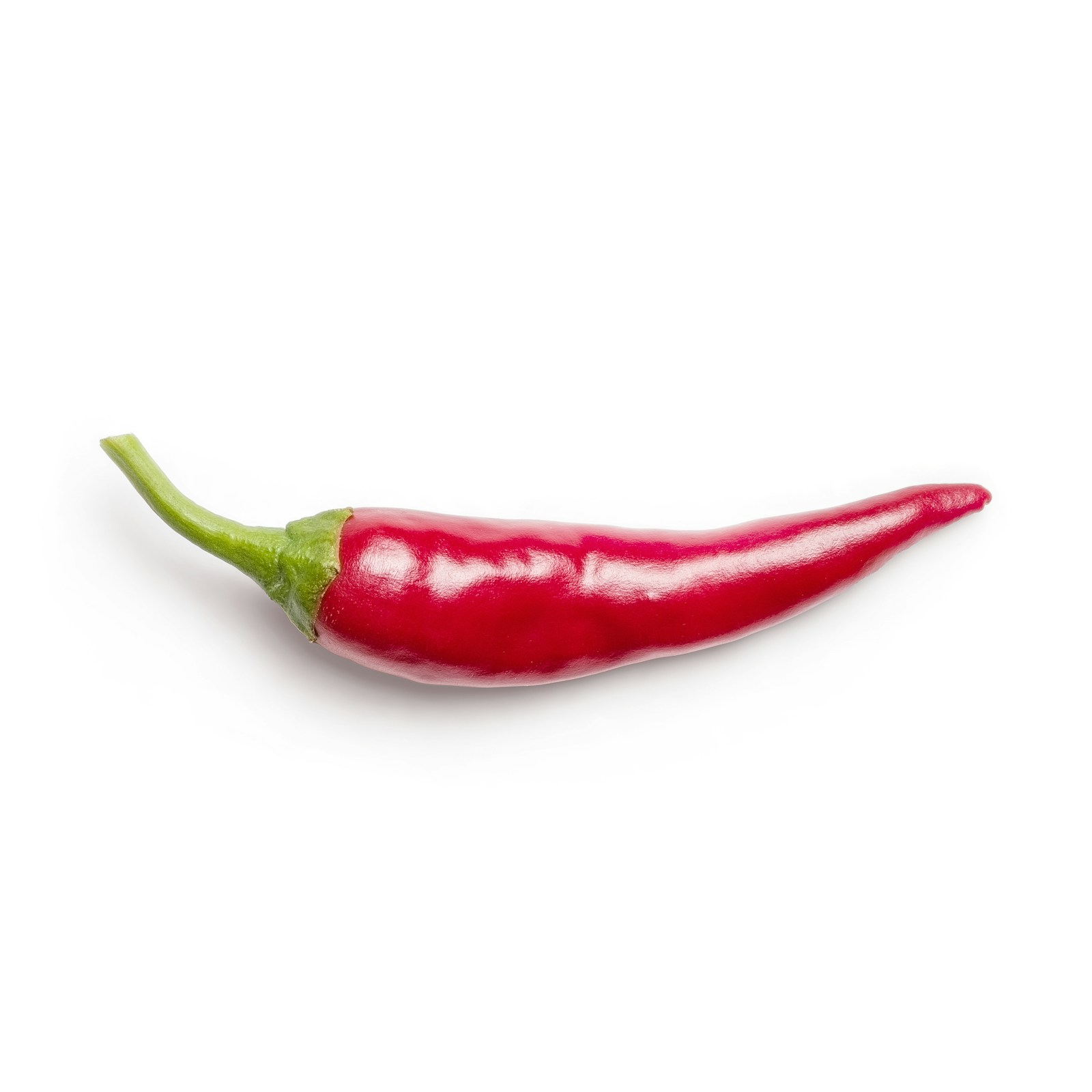
From 12 tonnes to 80-100 tonnes per acre, per year. Coloured hybrids in a polyhouse with high-wire trellis is the highest-margin vegetable in India.
Most farms in India operate well below their yield potential. The gap is rarely about land or weather. It is about which seed, which water, which feed, and which decisions, made on which day. Here is what we are aiming for.
No magic. No buzzwords. Each of these is a small lever. Pulled together, they compound into the yield you see above.
Capsicum hates heat over 30 degC and humidity over 75%. A polyhouse with shade, fans and roof vents holds the right range. Fruit set goes from 30% to 75%.
Red and yellow capsicum sells at Rs. 80-120/kg vs green at Rs. 30-50. Bachata, Indra, Inspiration F1 hybrids give 4-6 kg per plant of coloured fruit.
Plants trained 3 m up on wires using clips. Each plant produces fruit for 8-10 months, not 3. Yield per plant goes from 1 kg to 5 kg.
EC and pH controlled. Nutrient mix changes by stage. No deficiency, no over-feed, no leaching.
No thrips, no whitefly, no aphid getting in. Spray cost drops 60%. Residue stays well below export limits.
One planting produces from month 4 to month 11. Continuous cash flow, not lump harvest.
From day one to harvest, here is the actual work. Plain English. No jargon. This is the playbook we follow on every farm we manage.
Naturally-ventilated, 4.5-5 m gutter, 200-micron film, 40-mesh insect net at vents, double-door entry. Sized for the land.
Soil solarised 4-6 weeks. Raised beds 30 cm, plastic mulch, drip lines.
6,500-7,500 hybrid seedlings per acre at 60x40 cm. Overhead wires at 3 m. Each plant trained on twine with clips.
EC 2.0-2.5, pH 5.8-6.2. NPK ratio shifts vegetative to fruiting to ripening. Calcium added separate to avoid blossom-end rot.
Lower leaves removed weekly. Two main stems kept, side shoots pinched. Plant load matched to nutrition.
Sticky traps. Predator mites for thrips. Bumblebees for pollination. Chemical only on threshold breach.
Pick 2-3 times a week. A-grade (export), B (retail), C (local). Cold chain to buyer within 12-24 hours.
What happens, when. So you know the path, the wait, and the pay-off, before you start.
Structure up, soil prepared, beds laid, drip tested.
6,500-7,500 hybrid seedlings. Trellis up. First clip-and-train.
Truss 1 sets fruit. Switch to fruiting fertigation. Bumblebees in.
Some early greens picked for cash flow. Most fruit kept on plant for colour change.
Red and yellow fruit picked at full colour. 70% of yield in this window. Highest-price grade.
Plant pulled. Polyhouse cleaned and sterilised. Next cycle planned.
What it costs, what it returns, when it pays back. Honest ranges, not best-case-only numbers.
Every yield range here is anchored to research from Indian and international institutions. Not marketing. Not anecdote.
Indeterminate coloured capsicum F1 hybrids under polyhouse with drip-fertigation deliver 80-120 t/acre/year against 12-15 t/acre/year for open-field green capsicum.
Coloured (red, yellow) capsicum hybrids fetch 2-3x the price of green capsicum, making polyhouse cultivation among the highest gross-margin vegetable systems in India.
High-tech greenhouse capsicum in the Netherlands operates at 25-35 kg/m2/year. Indian polyhouses currently realise 12-20 kg/m2/year, indicating headroom of 1.5-2x with better climate control.
Polyhouse capsicum is supported with up to 50% subsidy in many Indian states and shows 4-6x yield uplift versus open-field green capsicum.
We map your land, soil, water and current practice against the targets above and tell you, honestly, what your farm can actually deliver. No charge for the first conversation.
Get a Yield-Potential Audit