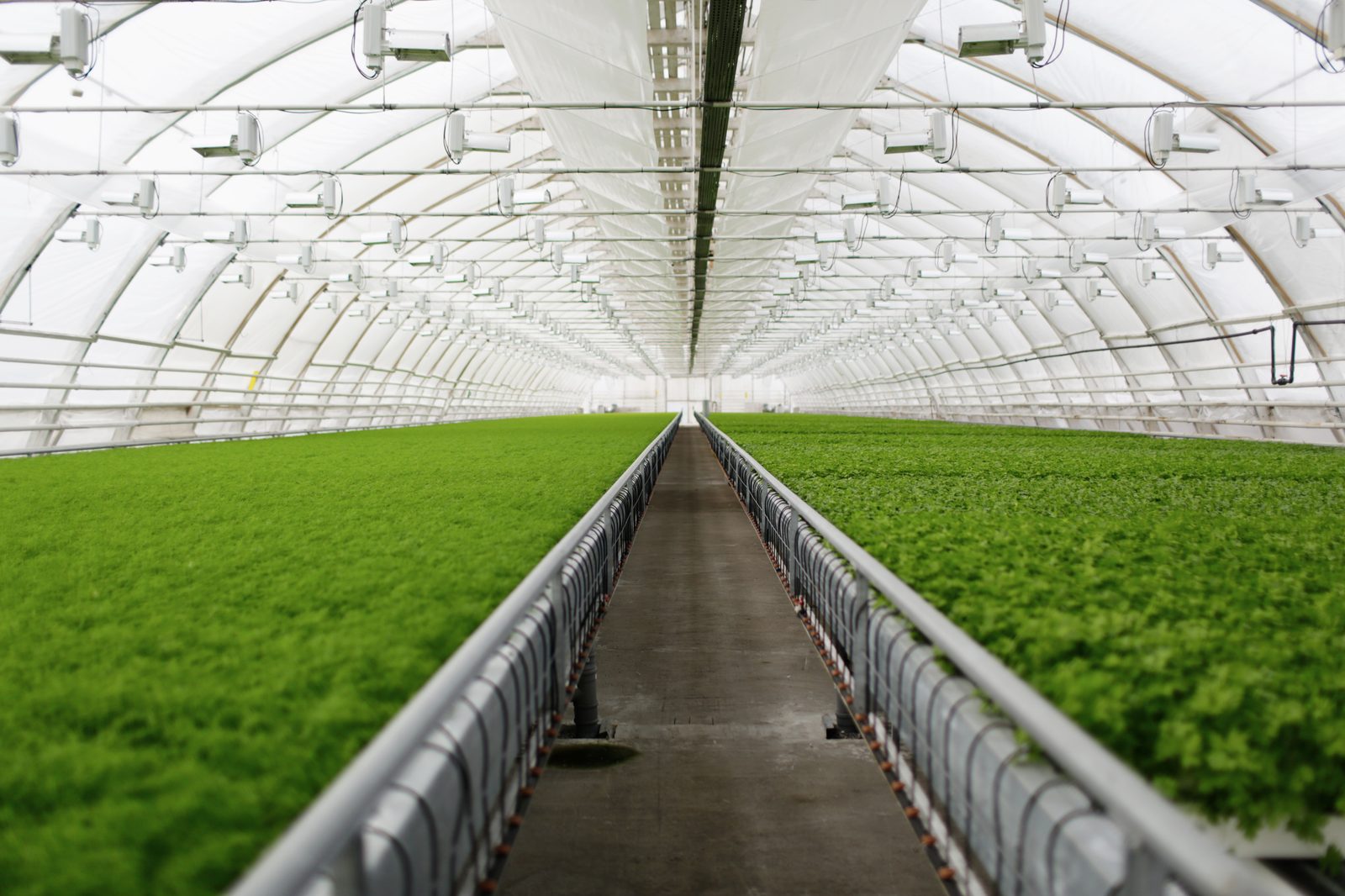
Turn your balcony, terrace, or backyard into a year-round vegetable, herb, and microgreen farm. We design, install, and hand over self-sustainable home-gardening systems (soil, raised-bed, hydroponic, vertical, or aquaponic) sized exactly to your space and household demand.
Home gardening is the most direct path to food sovereignty for any household. Whether you have a 4×6 ft balcony or a 1,000 sq ft terrace, the right system delivers 70-90% of your family's daily salad, herbs, microgreens, and short-cycle vegetables, pesticide-free, on demand, year-round. Our service designs your system around your space, sunlight, water access, and what you actually want to eat, then installs it, plants the first cycle, and trains you to keep it running. Five system tiers available: raised-bed soil gardening, container terrace gardening, vertical wall gardens, NFT/DWC hydroponics, and integrated aquaponic ecosystems.
02Core Offerings
What's Included
01
Site Survey & Sun-Hour Analysis
We measure your sun exposure across the day, water availability, slab load capacity (for terrace), and wind/shade patterns, the foundation of every working garden.
02
Raised-Bed Soil Gardening
Modular galvanized-steel or food-grade-HDPE raised beds (200-400 mm depth), pre-filled with cocopeat-vermicompost-perlite blend, drip-irrigated. Best for root vegetables and heavy feeders.
03
Container & Grow-Bag Setup
UV-stabilized HDPE grow-bags (15-30 L) arranged in tiered racks on terraces and balconies. Best for tomato, capsicum, brinjal, leafy greens, herbs.
04
Vertical Wall Garden
Wall-mounted modular planter pockets (hydroponic or soil-based) that turn 6 sq ft of wall into 50+ plant positions. Ideal for compact urban homes.
05
NFT / DWC Hydroponic System
PVC channel NFT for leafy greens, raft DWC for basil and lettuce, both with auto-dosing for nutrients and pH. Closed-loop, 90% less water than soil, no weeds, no soil-borne pests.
06
Microgreens & Sprouts Rack
Indoor LED-lit shelf system that produces 200-300 g of fresh microgreens (radish, mustard, sunflower, broccoli) every week: premium nutrition from 4 sq ft.
07
Aquaponic Integration
Optional fish-plant symbiotic system: tilapia or koi tank feeds nutrient-rich water to grow beds; plants filter water back. Adds protein source + zero-fertilizer growing.
08
Composting & Self-Sustainability Loop
Kitchen-waste composter (bokashi or vermicompost bin) closes the nutrient cycle: your peels become next month's fertilizer. Truly self-sustainable.
09
Monthly Plant Plan + WhatsApp Support
Crop calendar tuned to your climate, seed/sapling sourcing, monthly planting list, and on-call WhatsApp support for pests, deficiencies, and questions.
03Our Process
How We Engage
01
Free Discovery Call
15-min call to understand your space (size, sunlight, water), household size, and what vegetables/herbs you want to grow.
02
On-Site Survey
Our home-garden specialist visits, measures the area, tests sun hours through the day, checks slab load (terrace) and water source.
03
Custom Design
Within 5 days you receive a layout drawing, system selection (soil / hydroponic / hybrid), plant list, capex estimate, and expected yield calendar.
04
Build & Install
Our team installs the structure, plumbing, drip/dosing equipment, fills growing media, and commissions the system, typically 1-3 days for residential setups.
05
First Planting
We plant the first crop cycle together: seedlings/seeds you helped choose, with you learning the routine hands-on.
06
Handover & Ongoing Support
You receive a printed/digital care manual, monthly plant calendar, and 12 months of WhatsApp support included.
DDDeep Dive
Home-Gardening Engineering: Yields, Spacings, and the Self-Sustainability Loop
A 200 sq ft home garden can produce 50-80 kg of vegetables per year, enough to cover most non-staple greens for a family of four. Below is the engineering: what each system grows, how much, what it costs to run, and how the nutrient cycle closes itself.
01
System tier comparison: what each format actually grows
Five tiers, each optimal for different goals. The right answer for most households is a hybrid combining 2-3 of these:
System
Footprint min
Capex range
Best crops
Annual yield (typical)
Container / Grow-bag
6 sq ft balcony
₹8k-25k
Tomato, brinjal, chilli, herbs, leafy greens
15-30 kg/yr
Raised-bed soil garden
40 sq ft terrace/yard
₹30k-80k
Root veg, heavy feeders, gourds, all annuals
50-120 kg/yr
Vertical wall garden
6 sq ft wall
₹15k-45k
Leafy greens, herbs, strawberry
12-25 kg/yr
NFT / DWC hydroponics
20 sq ft terrace
₹40k-1.2 L
Lettuce, basil, spinach, microgreens, herbs
30-60 kg/yr (10x density)
Aquaponic loop
50 sq ft + fish tank
₹1.5-3 L
Leafy greens + tilapia/koi protein
50-100 kg veg + 15-25 kg fish/yr
02
Sun-hour analysis: the make-or-break first step
Most home-gardening failures trace to a single root cause: not enough light. Before we recommend any system, we measure sun hours across the year:
Direct sun hours/day
What you can grow
Recommended system
< 2 hrs
Only deep-shade tolerant (basil, mint, lettuce): supplemental LED needed
Indoor LED microgreens rack
2-4 hrs
Leafy greens, herbs, microgreens
Vertical garden or NFT hydroponics
4-6 hrs
Most leafy and fruiting vegetables, partial sun crops
A south- or east-facing balcony in urban India typically gets 4-6 hrs of usable sun in summer and 2-3 in winter. We design the system for the winter floor, not the summer ceiling.
03
Yield math: how much food does 100 sq ft actually produce?
The numbers below come from our actual home-garden installations across Bengaluru, Pune, Chennai, and Hyderabad over the past 18 months:
Annual yield from a 100 sq ft mixed home garden (kg)
A 100 sq ft mixed garden produces ~60 kg of vegetables per year. At grocery prices (₹60-120/kg for unsprayed produce) that is ₹4,000-7,000 in grocery offset annually, but the real value is daily access to truly fresh, pesticide-free food.
04
Hydroponic nutrient management: the EC/pH math
The single most important hydroponic skill: keeping the reservoir within EC and pH windows. Our auto-dosing system handles this, but the underlying chemistry stays the same:
Outside 5.5-6.5: micronutrients (Fe, Mn, B, Zn) precipitate and become unavailable. Daily pH check + auto-dosing of pH-down (phosphoric/citric) is non-negotiable.
05
The self-sustainability loop: closing the nutrient cycle
True self-sustainability means kitchen waste in, vegetables out, with no fertilizer purchase after year 1. The loop:
Kitchen waste → bokashi bin (anaerobic ferment) → buried in soil bed → 2-week soil microbe decomposition → plant-available nutrients
Garden trimmings → vermicompost bin (Eisenia fetida worms) → 8-12 weeks → vermicompost (NPK 1.5:1:1.5 + micros) for next planting cycle
Hydroponic spent water → used to water soil beds → diluted N-P-K boost to outdoor crops
Aquaponic fish waste → nitrifying bacteria in biofilter → plant nutrition → plants filter water → back to fish tank
Vermicompost output from typical 4-person household waste (kg/month)
A well-tuned home loop consumes ~70% of a household's biodegradable kitchen waste, eliminates fertilizer purchase from year 2, and turns ~10 kg/month of "trash" into ~2 kg/month of soil amendment.
06
Daily time investment: what running this actually takes
Honest numbers: a home garden is not zero-effort. But the daily commitment is small and the work itself is rewarding:
Task
Daily
Weekly
Monthly
Watering check
5-10 min
-
-
Harvest
5-15 min (when ripe)
-
-
Pest & health scan
2-3 min
-
-
EC/pH check (hydroponic only)
-
5 min
-
Pruning & training
-
15-30 min
-
Nutrient refresh
-
-
30-60 min
Media top-up + composting cycle
-
-
45-90 min
P1Intercrop Programs
Detailed Patterns by Primary Crop
Scientifically validated intercrop combinations for each major plantation system, with crop-stage-specific selections and expected revenue per acre.
P2Region-Wise Suitability
Agro-Climatic Zone Recommendations
Every region has unique rainfall, soil, and market dynamics. Here is our zone-by-zone intercrop matrix:
04Technology
Tools & Methodology
Engineering-grade tools and scientifically validated methods underpin every deliverable.
Cocopeat + Vermicompost + Perlite media (5:3:2 blend)Pressure-compensating drip emitters (2 L/h)NFT PVC channels (90 mm × 50 mm)Auto-dosing A+B nutrient pumps with EC/pH probesVertical LED grow lights (full-spectrum, 30-40 W/m²)Bokashi & vermicompost waste-recyclersIoT soil-moisture / water-level sensors (optional)
05Ideal For
Who This Is For
This service delivers maximum ROI for the following profiles:
Urban families wanting pesticide-free vegetables
Apartment dwellers with balconies (4×6 ft and up)
Independent home/villa owners with terraces or backyards
Schools, offices, and community gardens
Anyone wanting hands-on food-growing without a learning-curve cliff
06Deliverables
What You Receive
Site-suitability + sun-hour report
Custom garden design drawing
Built and commissioned system
First crop planted with you
Care manual + monthly plant calendar
12-month WhatsApp advisory
07FAQs
Frequently Asked
How much space do I really need?
A productive home garden starts at 4×6 ft (24 sq ft), enough for daily salad greens and herbs. A family of 4 typically needs 200-300 sq ft to grow 70-80% of their non-staple vegetables. Even a 6 sq ft vertical garden produces 50+ plant positions of leafy greens, herbs, and microgreens.
Soil vs hydroponic: which should I choose?
Soil/raised-bed is forgiving, cheaper to start, and works for every crop including root vegetables. Hydroponic is faster (30-40% quicker growth), uses 90% less water, has no weeds or soil-pests, but is more expensive upfront and limited mostly to leafy greens, herbs, and selected fruit-vegetables like tomato and capsicum. We recommend a hybrid system for most clients: raised beds for root crops + a vertical hydroponic wall for leafy greens.
How much does a home garden cost to set up?
Indicative ranges: small balcony container system ₹15,000-25,000; medium terrace raised-bed garden (100-200 sq ft) ₹40,000-90,000; full hydroponic + vertical setup ₹80,000-1.5 lakh; integrated aquaponic system ₹1.5-3 lakh. Most clients recover capex in 18-30 months via grocery savings + premium-quality food they would otherwise pay extra for.
Will it be self-sustainable?
Yes, that is the design goal. Once installed, you handle daily 10-min watering/harvesting, a monthly nutrient/media refresh, and the kitchen-waste composter feeds the nutrient cycle. We design every system to be runnable by one person with basic plant care knowledge, no gardening background required.
What about pests in a home garden?
Home gardens use Integrated Pest Management: physical (insect mesh on balconies), biological (Neem oil, Bacillus, Trichoderma), and cultural (crop rotation, marigold/basil companion planting). We do not use chemical pesticides on home installations; defeats the entire point.
How long until I get my first harvest?
Microgreens: 12-15 days from setup. Leafy greens (lettuce, spinach, methi): 25-35 days. Herbs: 30-45 days. Tomato/capsicum: 70-90 days. We typically install the system and plant a fast crop (microgreens or radish) the same day so you see results in 2 weeks.